
November 18, 2026 · Edith Care
A diagnosis should explain, not define.
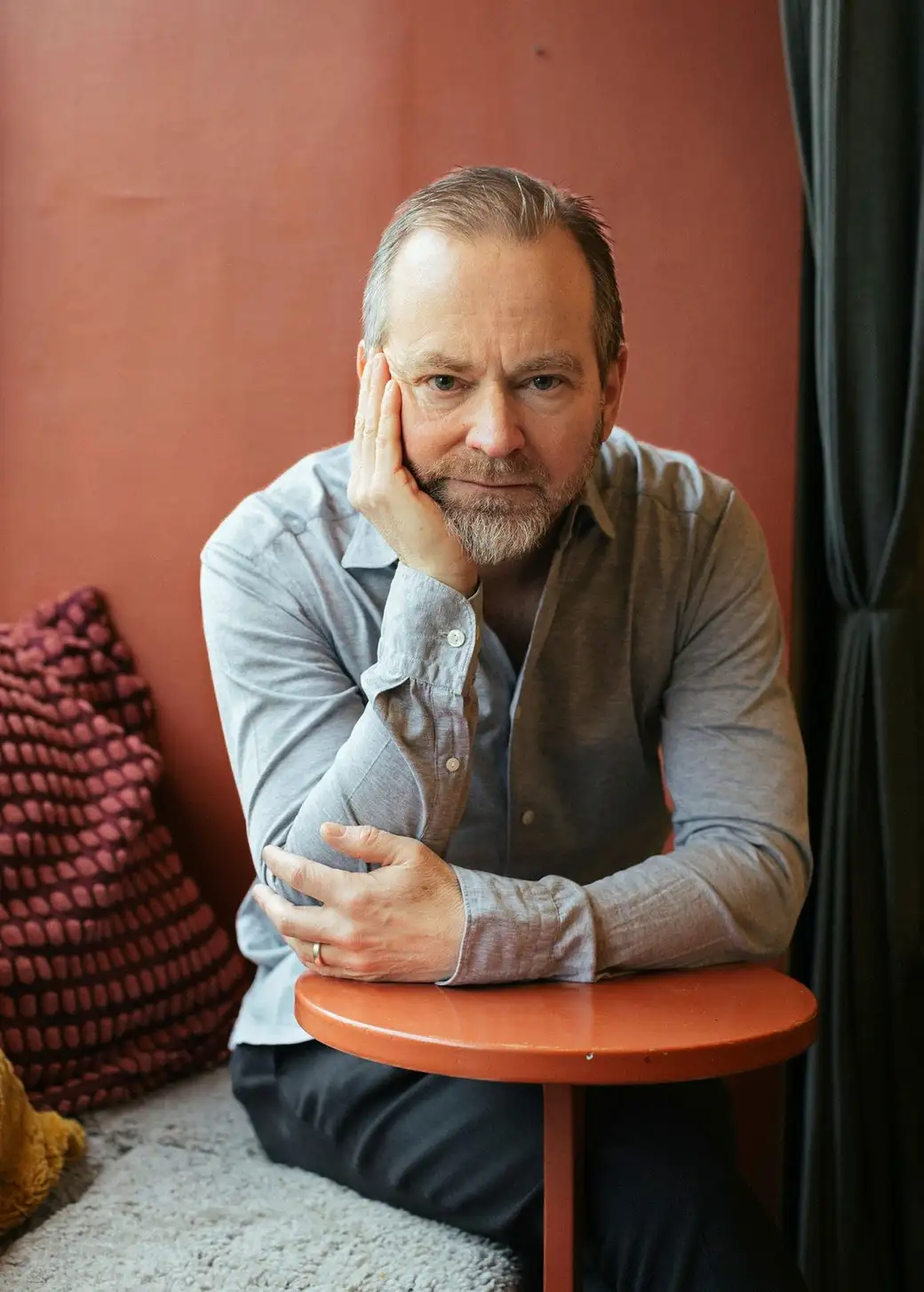
On 17 November, philosopher Fredrik Svenaeus, a professor at Södertörn University, wrote an opinion piece in the Swedish daily Dagens Nyheter titled “Now diagnoses have become the meaning of life”. His starting point is a new report from Sweden's National Board of Health and Welfare. Among 10–17-year-olds, just over 11 percent now have an ADHD diagnosis and just over 4 percent an autism diagnosis, with the fastest rise among girls. At the same time, depression and anxiety are falling.
Svenaeus argues that ADHD and autism have become descriptions of personality. Depression is seen as something that happens to you and that you can recover from. An ADHD or autism diagnosis, on the other hand, says something about who you are. That, he argues, is why diagnoses have started to be used to find an identity.
So the new black is a personality diagnosis instead of burnout or depression.
— Fredrik Svenaeus in DN (our translation)
In his book Who is normal? (Fri Tanke), he argues that these diagnoses are no longer medical matters, but are driven by cultural narratives and existential needs. He also questions new terms such as AuDHD, and writes that questionnaires and psychological tests should support an existential exploration of who you are rather than a diagnosis.
Svenaeus raises an important question, and much of what he writes is familiar to us. A diagnosis should not have to become your whole identity. And a test or a questionnaire is never enough to make a diagnosis.
From where we sit, working with assessments, we also see something more. Being restless, impulsive or finding it hard to concentrate is not enough for an ADHD diagnosis. The difficulties must have been there since childhood, show up in several parts of life and clearly affect how you manage school, work or relationships. That is exactly what a thorough assessment has to test, with interviews, relatives, school records, earlier medical notes and tests placed side by side.
So for a great many people, a diagnosis is above all an explanation. Many people we talk to describe how, for the first time, they understood why some things had always been hard. What they are usually looking for is the right support, and to finally stop feeling ashamed.
We think Svenaeus and we end up close to each other here. His warning is one of the strongest reasons why assessments have to be done right. Made carelessly, diagnoses become exactly what he warns about, labels on personality. Made after a thorough assessment, they become what they should be, an explanation that leads to the right support.
What worries us most is assessments done too quickly and with too little information. Then depression can be read as ADHD, and the other way around. Sweden's health authority has itself said that assessments need to be broad. We wrote about it in Sweden's health authority wants broad assessments. That takes time.
Our position is simple. A diagnosis should explain, not define. It should be the result of a thorough assessment, not a ticket to getting help. And support should continue afterwards, whatever the assessment shows.
That is why Edith exists. The psychologist should have time for the person and the full picture in front of them when making the assessment. Edith writes the notes and a draft of the assessment, but the judgement is always the psychologist's.
The full article is in Swedish in Dagens Nyheter. The conversation about diagnoses gets better when the people who do assessments every day are part of it.